
-
By Engitech Expo
-
March 21, 2026
- 0 Comment
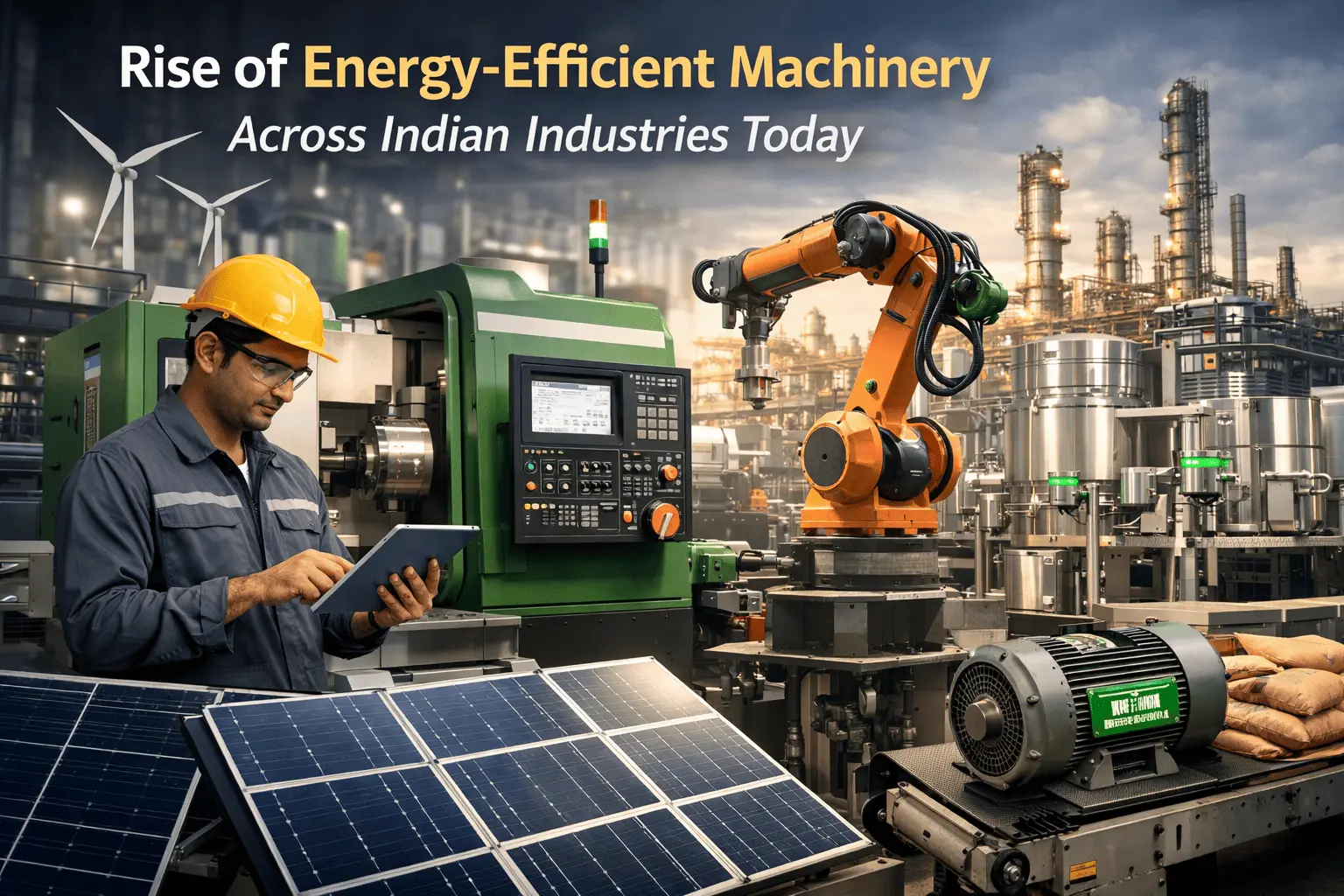
Rise of Energy-Efficient Machinery Across Indian Industries Today
India’s industrial sector is undergoing a powerful transformation. As sustainability becomes more than just a buzzword, industries are actively shifting toward energy-efficient machinery to reduce costs, comply with regulations, and build a greener future. From manufacturing plants to smart factories, energy efficiency is no longer optional — it is a strategic necessity.
In this blog, we’ll explore how energy-efficient machinery is reshaping Indian industries, its benefits, key trends, and why businesses must adopt it now.
Why Energy Efficiency Matters in Indian Industries
India is one of the fastest-growing industrial economies in the world. However, this rapid growth comes with increased energy consumption and environmental impact. Industries account for a significant portion of the country’s electricity usage.
Energy-efficient machinery helps solve this challenge by:
- Reducing overall energy consumption
- Lowering operational costs
- Minimizing carbon emissions
- Improving production efficiency
With rising electricity costs and stricter environmental regulations, companies are now prioritizing energy-saving technologies more than ever.
Key Benefits of Energy-Efficient Machinery
1. Cost Savings
Energy-efficient machines consume less power, which directly reduces electricity bills. Over time, the savings can be substantial, especially for large-scale manufacturing units.
2. Improved Productivity
Modern energy-efficient equipment is designed with advanced technology, ensuring better performance, faster operations, and reduced downtime.
3. Sustainability Goals
Companies are increasingly aligning with global sustainability standards. Using energy-efficient machinery helps businesses reduce their carbon footprint.
4. Government Incentives
The Indian government promotes energy efficiency through policies, subsidies, and initiatives like Perform, Achieve, and Trade (PAT) schemes.
Key Energy-Efficient Technologies in Use
Industries across India are adopting innovative machinery and systems to optimize energy usage. Here are some of the most impactful technologies:
- Variable Frequency Drives (VFDs)
- Energy-efficient motors
- Smart automation systems
- IoT-enabled monitoring devices
- LED-based industrial lighting
- High-efficiency boilers and compressors
These technologies not only save energy but also enhance operational control.
Comparison of Traditional vs Energy-Efficient Machinery
| Feature | Traditional Machinery | Energy-Efficient Machinery |
|---|---|---|
| Energy Consumption | High | Low |
| Operating Cost | Expensive | Cost-effective |
| Maintenance | Frequent | Reduced |
| Performance | Moderate | High |
| Environmental Impact | High emissions | Low emissions |
| Automation Capability | Limited | Advanced (IoT-enabled) |
Industry-Wise Adoption in India
Manufacturing Sector
Manufacturers are the biggest adopters of energy-efficient machinery. From CNC machines to automated production lines, companies are upgrading systems to reduce energy waste.
Textile Industry
India’s textile sector is using energy-efficient looms, dyeing machines, and processing equipment to save power and water.
Automotive Industry
Automotive manufacturers are implementing robotics and energy-efficient assembly lines to boost precision and efficiency.
FMCG and Packaging
Companies are shifting to smart packaging machines that use less energy while increasing output.
Role of Smart Technology and IoT
The integration of IoT (Internet of Things) is accelerating the adoption of energy-efficient machinery. Smart sensors and connected devices allow real-time monitoring of energy usage.
Benefits include:
- Predictive maintenance
- Real-time performance tracking
- Reduced energy wastage
- Data-driven decision making
This shift toward Industry 4.0 is making Indian industries smarter and more efficient.
Government Support and Policies
The Indian government is actively encouraging industries to adopt energy-efficient practices. Some major initiatives include:
- Energy Conservation Act
- Perform, Achieve and Trade (PAT) Scheme
- National Mission for Enhanced Energy Efficiency
These programs help industries transition toward sustainable operations while offering financial and technical support.
Challenges in Adoption
Despite the benefits, some industries still face challenges:
- High initial investment
- Lack of awareness
- Resistance to change
- Limited technical expertise
However, with increasing awareness and long-term benefits, these barriers are gradually being overcome.
Future Trends in Energy-Efficient Machinery
The future of Indian industries is clearly moving toward sustainability and innovation. Some upcoming trends include:
- AI-powered machinery optimization
- Fully automated smart factories
- Renewable energy integration
- Advanced energy storage systems
- Digital twins for energy monitoring
As technology evolves, energy-efficient machinery will become more accessible and affordable for businesses of all sizes.
Why Businesses Must Act Now
Delaying the adoption of energy-efficient machinery can put businesses at a competitive disadvantage. Companies that invest early gain benefits such as:
- Lower operational costs
- Better compliance with regulations
- Enhanced brand reputation
- Increased efficiency and output
In today’s competitive market, energy efficiency is not just a cost-saving tool — it is a growth strategy.
Conclusion
The rise of energy-efficient machinery across Indian industries marks a significant shift toward sustainability, innovation, and smarter operations. Businesses are realizing that investing in energy-efficient solutions is not just about saving electricity — it’s about securing long-term success.
As industries continue to evolve, adopting energy-efficient machinery will be the key to staying competitive in a rapidly changing world. For platforms like Engitech Expo, this transformation presents a massive opportunity to showcase cutting-edge technologies and connect businesses with the future of industrial innovation.